Crystal Palace rubbish removal guide for Westow Street homes
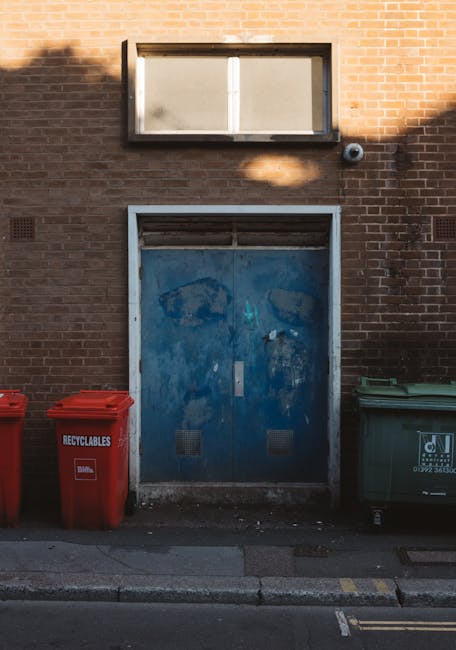
If you live on or near Westow Street, rubbish removal can feel oddly complicated for something so ordinary. One week it is a broken wardrobe, the next it is a loft full of boxes, and before long the hallway starts looking like a storage room nobody asked for. This Crystal Palace rubbish removal guide for Westow Street homes is here to make the whole thing feel simpler, calmer, and far less annoying.
We will look at what rubbish removal actually involves, how the process usually works in a residential street like Westow Street, what to watch out for, and when it makes sense to call in a professional clearance team. You will also find practical tips, a comparison table, a checklist, and a few real-world examples so you can decide what is right for your home without second-guessing yourself.
Why Crystal Palace rubbish removal guide for Westow Street homes Matters
Westow Street homes sit in a part of Crystal Palace where space can be tight, access can be awkward, and parking is not always on your side. That matters because rubbish removal is not just about lifting a few bags. It is about getting bulky items out safely, avoiding damage to walls and stairwells, and making sure waste is handled properly from the start.
In a terraced house, a converted flat, or a top-floor property, the difference between "quick tidy-up" and "full clearance job" can be huge. A sofa that looks manageable in the living room suddenly feels impossible once you are turning it around a narrow landing. And if you have ever tried dragging a chipped chest of drawers past a banister, you will know exactly what I mean. Not fun.
It also matters because waste is not just clutter. It can become a safety issue. Trips, blocked exits, sharp edges, damp cardboard, and overloaded bins all create problems that build up slowly. The sooner you deal with them, the less stressful they become. That sounds obvious, but people put this stuff off all the time. We all do, truth be told.
For homes that need broader help beyond a single item, it is useful to understand the difference between rubbish removal and wider property clearance. If you are emptying an entire property, house clearance or home clearance may fit better than a simple one-off load. That distinction saves time and usually a few headaches too.
Table of Contents
- Why Crystal Palace rubbish removal guide for Westow Street homes Matters
- How Crystal Palace rubbish removal guide for Westow Street homes Works
- Key Benefits and Practical Advantages
- Who This Is For and When It Makes Sense
- Step-by-Step Guidance
- Expert Tips for Better Results
- Common Mistakes to Avoid
- Tools, Resources and Recommendations
- Law, Compliance, Standards, or Best Practice
- Options, Methods, or Comparison Table
- Case Study or Real-World Example
- Practical Checklist
- Conclusion
- Frequently Asked Questions
How Crystal Palace rubbish removal guide for Westow Street homes Works
At a practical level, rubbish removal for a Westow Street home usually follows a straightforward pattern: you identify what needs to go, assess access, agree the load size, and arrange collection. The details matter though, because homes are not all the same and neither is the waste.
Most clearances start with a quick description of the items. That might be a few black sacks, a dismantled bed frame, garden cuttings, old kitchen units, or mixed household junk. From there, a quote is usually shaped around volume, labour, and what kind of waste is involved. Heavy rubble, timber, and bulky furniture all affect the job differently.
On the day, the team typically arrives, checks access, and confirms what is being removed before lifting anything. That last bit matters more than people think. It avoids surprises, which nobody wants when a staircase is involved. A good crew will also work carefully around shared entrances, hallway corners, and tight kerbsides.
For awkward items, many households compare a few routes. A small job may be handled as general waste removal, while an old sofa, wardrobe, or dining set may be better treated as furniture disposal or part of a broader furniture clearance. Choosing the right approach keeps the process efficient and avoids paying for more than you need.
In a mixed residential street, access planning is a big deal. The difference between a smooth pickup and a frustrating one is often as simple as where the vehicle can stop, how many trips the crew has to make, and whether items are ready to go. Small thing, huge impact.
Key Benefits and Practical Advantages
The biggest benefit of professional rubbish removal is relief. That might sound a bit dramatic for a pile of waste, but if your spare room has become unusable or your hallway is crowded with old furniture, getting it cleared properly can change how your home feels almost immediately.
There is also the convenience factor. You do not need to hire a van, carry heavy items downstairs, find somewhere legal to dispose of them, or spend your weekend making multiple trips. For people with work, children, mobility limits, or just a full diary, that convenience is often the main reason they book help.
Another practical advantage is sorting. A good clearance service can separate different types of waste and direct reusable or recyclable items into the right stream where possible. If sustainability matters to you, it is worth asking how waste is handled and whether the provider follows a clear recycling approach. You can also review a company's recycling and sustainability information to understand its general approach before booking.
There is a less obvious benefit too: fewer mistakes. People often underestimate weight, overfill bags, or try to move items that really need two people and the right equipment. A proper clearance reduces the chance of scraped floors, strained backs, and that slightly sheepish moment where a chair gets wedged halfway down the stairs. Not ideal.
Expert summary: For Westow Street homes, the best rubbish removal solution is usually the one that matches access, volume, and waste type rather than the one that simply sounds cheapest. The right fit is almost always the cheaper option in practice.
Who This Is For and When It Makes Sense
This guide is for anyone living in a flat, maisonette, terrace, conversion, or family home around Westow Street who needs rubbish taken away without a fuss. That could be a spring clean, a move, a refurbishment, or the aftermath of one too many "I'll deal with it later" decisions.
It makes sense if you are dealing with:
- bulky furniture that will not fit in a car
- box clutter from storage rooms, lofts, or spare bedrooms
- bagged household rubbish from a deep clean
- garden waste after a tidy-up
- builders' debris from DIY or renovation work
- garage or shed overflow that has quietly taken over
If the issue is one room, you may only need a focused service such as loft clearance or garage clearance. If the issue is an entire property after a move, bereavement, or long-term neglect, a broader house clearance usually makes more sense.
It also makes sense for landlords and letting agents dealing with leftover items between tenancies, and for small home-based businesses that cannot have stock, packaging, or old equipment cluttering up the place. A home office needs room to breathe, after all.
Step-by-Step Guidance
Here is a simple way to approach rubbish removal without overthinking it.
- Sort what needs to go. Separate general rubbish, furniture, garden waste, builders waste, and anything you may want to keep or donate.
- Check access. Measure larger items, note staircases, doors, and parking restrictions, and think about where a vehicle can reasonably stop.
- Photograph the load. A few clear pictures usually help a provider understand the volume and type of waste more accurately.
- Ask about the right service. A mixed load may suit waste removal, while heavier renovation debris may be better handled through builders waste clearance.
- Confirm what cannot be taken. Some materials may need special handling, so be clear about anything unusual upfront.
- Prepare the space. Move fragile items, clear a walkway, and make sure the crew can reach the waste without extra obstacles.
- Agree the final scope. Before lifting begins, confirm the items and ensure both sides understand what is included.
- Check the area after collection. A quick walk-through helps make sure nothing has been missed and the space is left tidy.
That last check is small, but useful. One missed bag in a dark corner can sit there for weeks, glaring at you every time you walk past it.
Expert Tips for Better Results
Here are a few things that tend to make a noticeable difference.
Be honest about volume. If a load looks like two cubic metres, do not describe it as a couple of bags and a small chair. Better to be slightly generous up front than to have the collection plan fall apart on arrival.
Keep similar items together. Group furniture, loose junk, and garden waste into separate piles if you can. It is easier for the team to load, and it helps avoid the "is this going or staying?" shuffle at the door.
Think about timing. Morning collections are often easier on residential streets because traffic and parked cars can get busier later. That can make a difference in Crystal Palace where a narrow street or tight parking space can slow everything down.
Use clearance as a reset. Once the waste is gone, decide what the space is meant to do next. Storage room, guest room, hobby room, proper office - whatever it is, define it while the floor is clear. Otherwise the clutter creeps back in. It always does, sneaky thing.
Ask how items are handled. Reuse, recycling, and responsible disposal are worth asking about, especially if your load includes furniture or mixed household items. A reputable provider should be able to explain the basics in plain English.
For company background and service values, it can also help to look at the provider's about us page before you book. That is not about marketing fluff; it is about getting a feel for how they work and whether they sound straightforward.
Common Mistakes to Avoid
Most problems with rubbish removal are preventable. The trouble is, people only realise that after the items are already blocking the hallway.
One common mistake is waiting too long. A small stack of waste becomes a bigger one. A bigger one becomes a storage problem. Then the room is annoying, then stressful, then oddly embarrassing when someone visits. Happens all the time.
Another mistake is mixing everything together without checking what can be removed. Waste streams can vary, and certain items may need separate handling. If you are unsure, ask before collection day rather than hoping for the best.
People also forget about access. A sofa may fit in the room, but not around the landing. A pile of rubble may be manageable by volume but brutal by weight. A good plan saves a lot of back-and-forth.
Here are a few other traps to avoid:
- leaving waste partly inside and partly outside the property
- forgetting to clear the route to the front door
- underestimating how long dismantling furniture takes
- assuming every service covers every item automatically
- choosing purely on price without asking what is included
That last one is the classic. Cheap can be fine. Cheap and unclear is where trouble starts.
Tools, Resources and Recommendations
You do not need much to prepare well, but a few simple tools help.
- Measuring tape: Useful for checking furniture width, stair turns, and doorway clearance.
- Heavy-duty bags: Better than thin bin liners for sharp or awkward waste.
- Gloves: Especially helpful for garage, loft, and garden clearances.
- Phone camera: A quick set of photos makes quoting easier and more accurate.
- Marker labels: Handy if you are separating keep, donate, and remove piles.
For property-specific jobs, it helps to match the service to the space. For example, a cluttered shed or outside storage area may be better handled as garden clearance if the waste is mainly outdoor or green material, while a work-from-home setup full of old desks and packaging might be closer to office clearance.
If you are comparing providers, the most useful pages are usually the ones that explain pricing, safety, and standards clearly. A good place to start is pricing and quotes, then insurance and safety, and finally the company's policies if you want to check how they handle complaints or data. Boring? Maybe a little. Useful? Absolutely.
Law, Compliance, Standards, or Best Practice
For rubbish removal in the UK, the safest approach is to use a provider that handles waste responsibly and can explain its process clearly. You do not need to become an expert in waste law, but you do want to avoid handing waste to anyone who cannot show proper professionalism.
Best practice usually means:
- confirming the waste is being handled by a legitimate operator
- keeping records of what was removed, if needed
- separating recyclable and reusable materials where practical
- avoiding fly-tipping risks by using a trusted service
- being upfront about hazardous or unusual items
If you are clearing a rented home or managing a property as a landlord, it is especially sensible to document what was left behind and what was removed. That keeps things tidy from a records point of view as well as a physical one.
For customer-facing trust signals, clear policy pages matter too. If you want to understand how a company treats your information or handles service terms, you can review its privacy policy and terms and conditions. They are not exciting reads, granted, but they do tell you a lot about how organised a business really is.
And one more thing: if a load includes items that seem risky, damaged, damp, or contaminated, ask questions before anyone starts lifting. Better a five-minute conversation than a messy surprise.
Options, Methods, or Comparison Table
There is more than one way to clear rubbish from a Westow Street home. The right choice depends on volume, item type, time, and how much effort you want to spend.
| Method | Best for | Pros | Cons |
|---|---|---|---|
| DIY disposal | Very small loads | Can be cheap if you already have transport | Time-consuming, heavy lifting, disposal planning |
| Skip hire | Longer projects with steady waste | Useful for ongoing DIY work | Needs space, permits may be needed, items still need loading |
| Professional rubbish removal | Mixed waste, bulky furniture, quick clearances | Fast, convenient, less lifting for you | Usually costs more than doing it yourself |
| Targeted clearance service | Specific spaces like lofts, garages, or flats | Efficient and more tailored | May be less suitable for tiny one-off loads |
If you live in a flat or a building with tight access, a professional clearance is often the most practical route. For example, flat clearance can be a better fit than trying to organise multiple trips yourself, especially if stairs, shared entrances, or limited parking make everything slower.
DIY can still make sense for very small volumes. But once you are dealing with bulky pieces, mixed items, or a deadline, convenience usually wins. And honestly, your weekend probably has better things to do.
Case Study or Real-World Example
Here is a realistic example from the kind of situation many Westow Street households face.
A two-bedroom flat had accumulated a bit of everything: a broken wardrobe in one room, bags of old paperwork in another, a rusted rack from the balcony area, and several bits of furniture that no longer fitted the way the owners lived. Nothing dramatic. Just a slow build-up. The sort of thing you only notice properly when visitors are due.
The first challenge was access. The stairwell was narrow, the front space was tight, and there was no real place to leave items outside without causing a nuisance. The solution was to group everything by type, clear the route in advance, and make sure the lift-off points were obvious before the team arrived.
What made the job go smoothly was not speed alone. It was preparation. The residents had already separated what they wanted to keep, which meant there was no confusion about old boxes or half-forgotten furniture. The crew could work through the space, remove the items safely, and leave the flat feeling noticeably lighter. A bit quieter too, in a strange way.
In that kind of setting, the useful service is not just "take stuff away." It is "take the right stuff away, safely, without turning the morning into a minor drama." That is the real difference.
Practical Checklist
Use this quick checklist before your collection day.
- Identify all items to be removed.
- Separate keep, donate, recycle, and remove piles.
- Measure bulky furniture and note tight corners.
- Take photos for quoting if needed.
- Clear access routes through the home.
- Check parking or loading access outside.
- Tell the provider about heavy, awkward, or unusual items.
- Confirm whether the service is for general waste, furniture, garden waste, or builders debris.
- Remove valuables, documents, and anything personal.
- Walk through the space once the job is done.
If you are also dealing with renovation waste, it can help to look at builders waste clearance before collection day so you know how rubble, timber, plasterboard, and mixed building debris should be handled. Different mess, different plan.
Conclusion
A good Crystal Palace rubbish removal guide for Westow Street homes should leave you feeling more in control, not more confused. The main idea is simple: match the service to the waste, prepare the access, and choose a provider that is clear about what they take and how they work. Do that, and the whole job becomes much easier than it first looks.
Whether you are clearing a single sofa, a packed loft, a cluttered garage, or a full home, the smartest move is usually the one that saves effort without cutting corners. A tidy home feels lighter. Less stressful. More liveable. And in a busy part of London, that matters more than people admit.
If you want to go one step further, take a look at the service and policy pages that matter most to you, then make your decision with a clear head. No rush, no pressure, just a sensible plan.
Get a free quote today and see how much you can save.
Frequently Asked Questions
What does rubbish removal usually include for Westow Street homes?
It usually includes collection and disposal of general household waste, bulky items, mixed clutter, and sometimes furniture or garden waste. The exact scope depends on the provider and the load.
Is rubbish removal better than hiring a skip?
For many homes, yes, especially if you have bulky items, limited parking, or do not want to load everything yourself. A skip can suit long DIY jobs, but rubbish removal is often easier for quick clearances.
Can I use rubbish removal for old furniture?
Yes. Sofas, beds, wardrobes, tables, and similar items are commonly removed as part of furniture disposal or furniture clearance. It is wise to mention sizes and condition first.
What if I live in a flat with narrow stairs?
That is very common in Crystal Palace. A good team will ask about access, staircases, lifts, and parking before the job. Flat clearance services are often a better fit than a generic approach.
Do I need to separate recyclable items myself?
Not always, but it helps if you can group similar items together. It makes loading quicker and can support better recycling outcomes. If you are unsure, ask how the provider handles sorting.
How do I know if I need house clearance instead of rubbish removal?
If you are clearing most or all of a property rather than just a few items, house clearance or home clearance usually makes more sense. Rubbish removal is better for partial loads and mixed waste.
Can builders' debris be taken away from a home near Westow Street?
Yes, but it should be mentioned clearly because builders waste clearance may involve heavier materials like rubble, timber, and packaging. That can affect the quote and the collection method.
What should I do before the team arrives?
Clear access, remove valuables, group items together, and make sure any large objects are easy to identify. A few minutes of prep can save a lot of time on the day.
Is there anything that cannot be removed?
Some items may need special handling or separate arrangements, depending on what they are and how they are packed. It is best to ask in advance rather than assume.
How do I compare rubbish removal quotes properly?
Compare what is included, how the price is explained, whether labour is covered, and how access affects the job. The cheapest quote is not always the best value if it leaves out important details.
Is rubbish removal safe for tight residential streets?
It can be, provided access and parking are planned properly. On streets like Westow Street, timing and loading space matter a lot, so good communication is key.
Where can I check a company's policies before booking?
Useful pages to review include pricing and quotes, terms and conditions, privacy policy, and insurance and safety. Those pages help you understand how the business works before you commit.
And if you are still weighing things up, that is fine. A bit of caution is better than a rushed booking. The right clearance choice should make your home feel easier to live in, not add another task to the list.