Local business rubbish removal Crystal Palace shops: a practical guide for busy shop owners
If you run a shop in Crystal Palace, you already know how quickly rubbish can get in the way. Cardboard starts stacking up behind the till, old display pieces clutter a storeroom, and suddenly there's a pile of mixed waste that should have gone yesterday. Local business rubbish removal Crystal Palace shops is really about keeping that pressure off your team, your customers, and your opening hours.
Whether you manage a small independent boutique, a corner convenience store, a cafe with a retail counter, or a multi-unit high street business, the same problem shows up in different forms: waste needs collecting safely, regularly, and without disruption. In this guide, you'll find a clear explanation of how it works, what to expect, the common mistakes to avoid, and how to choose a service that actually fits a working shop environment. Nothing fancy. Just useful, grounded advice.
Why Local business rubbish removal Crystal Palace shops Matters
For shop owners, waste is not just an inconvenience. It can affect how a store looks, how safely staff move around, and how efficiently the business runs. In a place like Crystal Palace, where many shops work in compact footprints and deliveries happen in tight windows, rubbish can become a daily headache very quickly.
A full back room makes restocking awkward. Broken packaging blocks access to stock. A tired-looking pile of waste outside the premises does nothing for customer confidence, either. People notice these things, even if they do not say anything. Truth be told, most shoppers are more forgiving than owners think, but they still pick up on mess, smell, and clutter. The atmosphere changes.
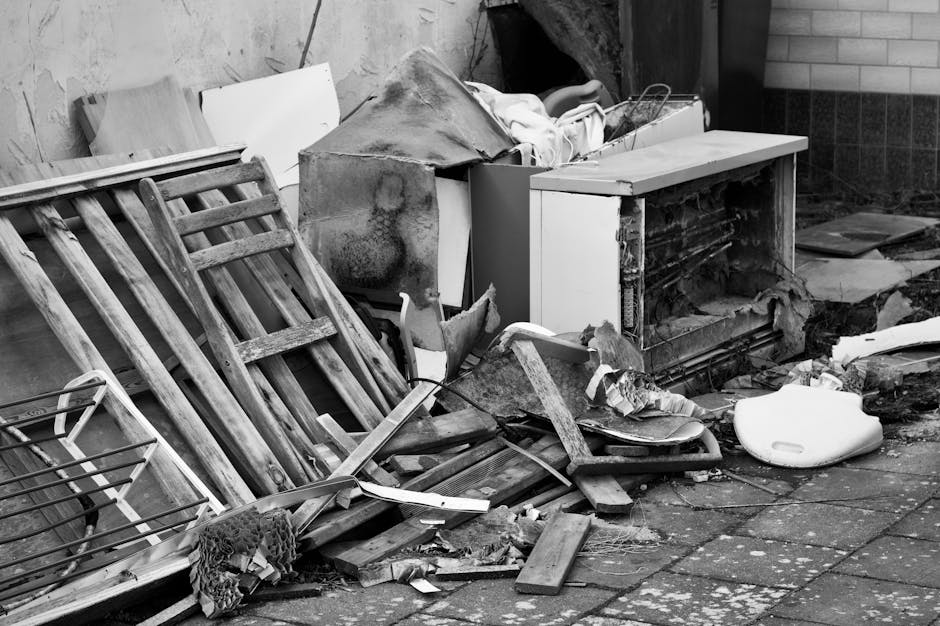
There is also the practical side. Many shops produce mixed waste: cardboard, shrink wrap, damaged shelving, old office bits, broken furniture, end-of-line stock packaging, and sometimes heavier items from refurbishments. If that waste is left to build up, staff end up spending time on clearing instead of serving customers. That's lost energy, and usually lost money too.
Using a proper business waste removal service helps keep things predictable. You get a clearer routine, less stress around collection days, and a better handle on what is being taken away. That predictability matters when you are trying to keep a small business moving.
Expert summary: For shops, rubbish removal works best when it is treated as part of operations, not as an afterthought. If the waste flow is planned, the rest of the business feels calmer. Simple as that.
How Local business rubbish removal Crystal Palace shops Works
The process is usually straightforward, but the details matter. A shop waste clearance is not the same as a household collection. It is usually arranged around business hours, access limits, and the type of materials being removed.
In practice, the service often starts with an enquiry about what needs taking away. That might include bagged rubbish, cardboard, old shop fittings, display units, damaged stock packaging, or bulky items. A good provider will ask what you have, how much there is, whether it is easy to access, and whether there are any heavy or awkward pieces. That helps avoid surprises on the day. Nobody wants a van turning up and discovering three flights of narrow stairs and a locked rear gate.
Once the job is confirmed, collection is typically arranged at a time that causes the least disruption. For a shop, that might mean early morning, after closing, or during a quiet trading window. The team removes the waste, loads it safely, and takes it away for sorting, recycling, or disposal as appropriate.
If you are also dealing with furniture or shop fittings, you may find the related pages on furniture clearance and furniture disposal helpful, especially when old shelving, display tables, or storage units need to be cleared in one go.
Some shops also bundle waste with a wider tidy-up. A store refurbishment, for example, might create builders' rubble, damaged fixtures, and packaging waste all at once. In those cases, builders waste clearance may be relevant alongside standard business waste removal. Different job, same need: get it out safely and quickly.
Key Benefits and Practical Advantages
There are the obvious benefits, and then there are the ones you only really appreciate after you've had a smooth collection or two.
- Less clutter in trading spaces: A tidy shop floor and back room are easier to work in and far more pleasant for customers.
- Better staff efficiency: Team members spend less time moving boxes around or dodging waste in cramped storage areas.
- Safer working conditions: Loose packaging, broken furniture, and overloaded corridors can create avoidable hazards.
- More professional presentation: Customers notice whether a place feels organised or makeshift.
- Fewer last-minute panics: Regular removal stops waste from becoming a fire exit issue or a storage problem.
- More flexibility around refurbishments: If you are changing displays or moving stock around, collections can be timed to fit the work.
There's also a quieter benefit: peace of mind. Shop owners already juggle enough. Staff rotas, deliveries, customer complaints, stock movement, pricing, the odd equipment issue - it stacks up. A reliable rubbish removal routine takes one thing off the mental to-do list. That alone is worth a lot.
For businesses that want a more complete overview of disposal options, the main waste removal page can help frame the difference between one-off clearances and ongoing collection needs.
Who This Is For and When It Makes Sense
This service is a strong fit for a wide mix of Crystal Palace shops and local businesses. It is not just for major refurbishments or dramatic clear-outs. In many cases, it is most useful for the everyday mess that quietly builds up in the background.
It makes sense if you run:
- a convenience store or grocer with regular cardboard and packaging waste;
- a clothing or gift shop with frequent display changes;
- a cafe or takeaway with a retail side and mixed waste streams;
- a salon, barbershop, or beauty room inside a high street unit;
- a small office attached to a retail premises;
- an independent business preparing for a move, rebrand, or renovation.
It is also useful after seasonal peaks. Think Christmas stock, summer display changes, back-to-school runs, or the odd deep clean before a local event. Waste always seems to arrive faster during busy periods. Funny how that works.
If your business sits in a smaller premises, you may also need a more general property clearance approach at times. In those cases, office clearance or even home clearance can be useful references for the kind of mixed-item handling and careful removal standards you may expect.
Step-by-Step Guidance
If you want the process to run smoothly, it helps to think of rubbish removal as a small project rather than a last-minute phone call. Here is a sensible approach.
- Walk through the premises. Identify what needs to go, where it is stored, and whether any items are fragile, heavy, or awkward.
- Separate materials where possible. Cardboard, plastics, furniture, and mixed waste are easier to manage when they are grouped sensibly.
- Check access points. Note narrow entrances, steps, rear alley access, parking restrictions, or any loading limits.
- Choose a collection time that suits trading. Early morning or after close often works best for shops.
- Confirm what is included. Make sure the team understands whether the job is just rubbish, or also furniture, fixtures, or renovation debris.
- Prepare the waste area. Stack items safely and keep walkways clear so removal can happen quickly.
- Review the premises after collection. Check fire exits, storage corners, and customer-facing areas for any overlooked debris.
It sounds basic, and that's because it is. But basic done well saves time. A ten-minute pre-collection tidy can shave a lot of friction off the job.
If the waste includes broken shelving, old counters, or heavy units, it can help to talk about insurance and safety expectations in advance. That conversation is rarely exciting, granted, but it is the sort of thing that prevents problems later.
Expert Tips for Better Results
In our experience, the best rubbish removal jobs for shops are the ones where the business has given a small amount of thought upfront. Nothing dramatic. Just a bit of structure.
Keep a live waste area
Instead of spreading packaging and unwanted items around the shop, keep one clearly defined holding area. It might be a stockroom corner or a rear space. When staff know where waste belongs, it stops wandering.
Use the collection window wisely
If your busiest times are late morning and early afternoon, avoid collections then if you can. A 7:30am pickup can be a lifesaver. It means the shop is open, clear, and ready before the first customer walks in with a coffee and a "just looking" smile.
Think about what can be reused or recycled
Not everything needs to be treated the same way. Cardboard, certain plastics, and some shop fittings may be suitable for recycling or repurposing. A provider with a clear recycling approach can make that easier to manage. You can read more on the site's recycling and sustainability page.
Ask about awkward items before collection day
Old till counters, display cabinets, and broken storage units are the sort of thing that can slow a job down if no one mentions them. Best to be direct. The more honest you are about what's there, the smoother the removal.
Plan around deliveries and footfall
Crystal Palace streets can feel busy and tight at the best of times. If a collection overlaps with a delivery or a school-run rush, the whole thing becomes more annoying than it needs to be.
Common Mistakes to Avoid
Most waste removal problems are avoidable. They happen because people are in a hurry, or because the job looked simpler from a distance.
- Leaving waste until it becomes urgent: Piles grow fast. One week of delay can become three bags, two boxes, and a sad-looking broken chair.
- Not separating bulky items from general rubbish: This can make loading slower and less efficient.
- Forgetting access details: If the team cannot park nearby or reach the load safely, the whole schedule gets disrupted.
- Assuming every item is handled the same way: Some materials need special care, especially if they are sharp, heavy, or contaminated.
- Choosing the cheapest option without checking what is included: Low headline prices can be misleading if collection, labour, or disposal detail is vague.
- Ignoring after-hours needs: A shop is not a warehouse. Collection timing matters.
The biggest mistake, if we're honest, is treating rubbish as invisible. It never stays invisible for long. The back room tells the truth.
Tools, Resources and Recommendations
You do not need a huge toolkit to manage shop waste better. A few simple items and habits go a long way.
- Strong bin bags or sacks: Useful for regular mixed waste and packaging.
- Labelled storage tubs: Handy for separating reusable items from rubbish.
- Cardboard flatteners or cutters: These save space and make stockroom handling easier.
- Heavy-duty gloves: A must for moving awkward or sharp items safely.
- A clear waste log: Even a basic notes system helps you track what is being discarded and when.
- A photo before collection: Surprisingly useful for confirming scope if the waste area is busy or changed since booking.
For businesses with a broader clearance need beyond rubbish, it can help to understand the difference between specialist pages like furniture disposal, garage clearance, and loft clearance. Different spaces create different kinds of waste, and the right approach saves time.
If you are comparing providers, the pricing and quotes page is a sensible place to understand how quotations are typically structured. Transparent pricing matters. It really does.
Law, Compliance, Standards, or Best Practice
Shop waste removal in the UK is not something to improvise. Businesses have a responsibility to manage waste properly, use legitimate carriers, and make sure rubbish does not create safety issues or nuisance. You do not need to become a legal expert, but you do need to be careful.
In practical terms, that means a few things. First, waste should be stored safely before collection. Fire exits, customer walkways, and staff access routes should stay clear. Second, business owners should know what types of waste are being removed. Mixed waste is common, but it still needs to be handled lawfully and sensibly. Third, if any item is unusual - for example, very heavy, sharp, or contaminated - it should be flagged before collection.
Health and safety expectations matter here as well. Staff should not be lifting awkward objects without support, and collection teams should have a safe route in and out. That is why a clear plan is better than a rushed arrangement. For more detail on how a responsible provider thinks about these issues, see the health and safety policy and terms and conditions pages.
Business owners should also be confident about who they are dealing with. Good practice means clear communication, straightforward expectations, and a service that does not cut corners. If you want to understand the company behind the service, the about us page can help with that background.
Options, Methods, or Comparison Table
There is more than one way to deal with shop waste. The right choice depends on volume, frequency, and how much handling you want your staff to do themselves.
| Option | Best for | Pros | Limitations |
|---|---|---|---|
| Regular internal bin disposal | Small, everyday waste | Simple, low effort for minor volumes | Can build up quickly and overload staff |
| One-off rubbish removal | Seasonal clear-outs, moves, refurbishments | Fast, flexible, removes bulky items | Not ideal for constant, ongoing waste output |
| Scheduled business waste removal | Busy shops with repeat waste | Predictable, tidy, easier to plan around trading | Needs clear planning and routine |
| Specialist clearance for fittings or furniture | Shop refits and closures | Useful for bulky, awkward items | May not cover all mixed rubbish types |
For many Crystal Palace shops, the best answer is a mix. Routine waste handling for the everyday bits, then a booked clearance when stockroom clutter, broken furniture, or refurbishment debris starts to get in the way. It does not need to be complicated.
Case Study or Real-World Example
Picture a small independent shop near the high street. Nothing dramatic. A few rail displays in front, stockroom in back, deliveries coming in twice a week. Over a busy fortnight, cardboard piles up, a broken shelf is pushed into the corner, and old promotional displays are left "for later." Then later becomes three weeks.
What happens next is familiar. Staff spend extra time moving things out of the way. A return delivery has nowhere to go. The back room starts to feel cramped and slightly stressful, the kind of place where you breathe in and realise you've been holding tension in your shoulders for days. Not ideal.
Once the waste is cleared, the difference is immediate. The team can move stock more easily, the storage area looks sensible again, and the shop floor feels lighter. The owners can see what they actually have. That visibility is underrated. When space is clear, decisions get easier.
This kind of job often sits somewhere between everyday rubbish removal and more involved clearances like house clearance or flat clearance. The principle is the same, though: remove the clutter safely, make the space work again, and do it without causing more hassle than the waste itself.
Practical Checklist
Use this quick checklist before arranging local business rubbish removal for your Crystal Palace shop.
- Identify exactly what needs removing.
- Separate cardboard, general waste, furniture, and refurbishment waste where possible.
- Check access routes, parking, and loading restrictions.
- Choose a collection time that avoids your busiest trading hours.
- Make sure staff know what is being removed and what must stay.
- Keep fire exits and walkways completely clear.
- Flag any heavy, sharp, or awkward items in advance.
- Confirm whether the job includes disposal, recycling, or both.
- Review the cleared area after collection.
- Set a simple routine so the problem does not creep back in.
That last one matters more than people think. Waste management works best when it becomes a habit, not a rescue mission.
Conclusion
Local business rubbish removal for Crystal Palace shops is not just about taking bags away. It is about keeping a trading space efficient, safe, and presentable. When waste is handled properly, the whole shop feels easier to run. Staff move better. Customers notice less clutter. The back room stops being a problem you avoid looking at.
If you are dealing with a one-off clear-out, a seasonal stock build-up, or a more awkward mix of rubbish and bulky items, the smartest next move is to get the job scoped properly and plan it around your opening hours. Calm, clear, practical. That is usually the formula that works best.
Get a free quote today and see how much you can save.
And if you are still weighing it up, that is fine too. Sometimes the best business decision is simply to make the space usable again and breathe a little easier.
Frequently Asked Questions
What counts as local business rubbish removal for shops?
It usually means collecting and removing commercial waste from a shop premises, including bagged rubbish, cardboard, packaging, broken fittings, old furniture, and other non-hazardous items that build up during trading.
How is shop rubbish removal different from domestic clearance?
Shop waste removal is usually timed around trading hours, access restrictions, and business needs. It also tends to involve more packaging, display items, stockroom clutter, and commercial fixtures than a household job.
Can you arrange rubbish removal outside shop opening hours?
Often, yes. Early morning or after closing is common for shops because it reduces disruption to customers and staff. It is usually worth asking for a time that fits your busiest periods.
What kind of waste do Crystal Palace shops usually need removed?
Common items include cardboard, shrink wrap, damaged stock packaging, old shelving, display furniture, broken counters, and general mixed waste from day-to-day operations or refits.
Do I need to sort the waste before collection?
Sorting helps, but it does not need to be perfect. Grouping cardboard, bulky items, and mixed rubbish separately can make the job faster and smoother. If in doubt, just describe what you have clearly.
Is rubbish removal useful for small shops, or only larger businesses?
It is useful for both. Small shops often have less storage space, so clutter becomes a problem faster. Even a modest amount of waste can affect safety, appearance, and workflow.
What should I check before booking a collection?
Check access, waste type, collection timing, and whether any heavy or awkward items need special handling. It also helps to know where the waste is stored and how close the vehicle can get.
Can old shop furniture be taken away too?
Yes, in many cases. Items like tables, cabinets, shelving, and display units can often be removed alongside general waste. If you have a lot of furniture, a service such as furniture clearance may be especially relevant.
How do I keep rubbish from building up again?
Set a simple routine: one waste zone, regular tidy-ups, and scheduled collections that match your trading pattern. A little discipline makes a big difference, and it saves that end-of-week scramble.
What if my shop is being refurbished or rebranded?
That usually creates a mix of waste types, from packaging to broken fittings and renovation debris. In those cases, a combination of business waste removal and builders waste clearance may be the most practical route.
Is there a right time to book rubbish removal for a shop in Crystal Palace?
Before waste starts to interfere with stock handling, customer movement, or safety. If you are already working around the rubbish, it is probably time. To be fair, that is usually the point where most people decide enough is enough.
How do I choose a trustworthy provider?
Look for clear communication, transparent pricing, sensible safety practices, and a service that understands commercial premises. Pages like pricing and quotes, insurance and safety, and recycling and sustainability are useful indicators of how the service is run.